1.) Material: Titanium
Processing: Vacuum Arc Remelting
Structure: HCP
Properties: High strength/low density, resists corrosion
Applications: Gas turbines in airplanes, watches, car engines
Ref:
https://www.britannica.com/technology/titanium-processing
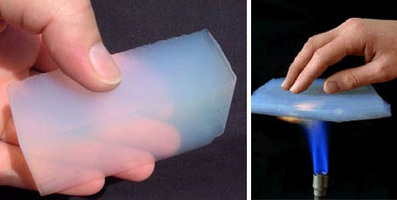
2.) Material: Aerogel
Processing: Supercritical Drying
Properties: 98.2% air, very effective insulator
Applications: Thermal insulation, optical devices, supercapacitors
Ref:
http://www.aerogel.org/?p=4
https://en.wikipedia.org/wiki/Aerogel#Structure
3.) Material: Tin
Processing: Smelting
Structure: TETR
Properties: Melting point = 231.9 C
Applications: Tinplate, solder, pewter
Ref:
https://www.britannica.com/technology/tin-processing
4.) Material: Lead
Processing: Sintering
Structure: FCC
Properties: Melting point = 327.5 C, harmful to humans
Applications: Batteries, plumbing, X-ray shields, etc.
Ref:
http://www.madehow.com/Volume-2/Lead.html
5.) Material: Aluminum Oxynitride (Transparent Aluminum)
Processing: Isostatic Pressing
Structure: Cubic spinel
Properties: Compressive strength = 2.68 GPa
Applications: Bulletproof glass, armor, sensors
Ref:
https://en.wikipedia.org/wiki/Aluminium_oxynitride
6.) Material: Buckminsterfullerene (Buckyballs)
Processing: Laser evaporaization
Structure: FCC
Properties: Superconducting at 18K, stronger than diamond
Applications: Drug delivery systems, catalysts
Ref:
https://en.wikipedia.org/wiki/Buckminsterfullerene
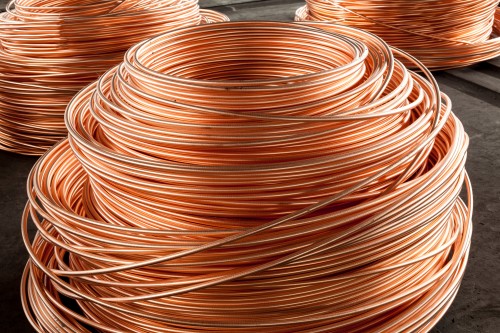
7.) Material: Copper
Processing: Smelting
Structure: FCC
Properties: very good electrical conductor
Applications: Electrical wire, sheets/plates, bronze
Ref:
https://www.britannica.com/technology/copper-processing
8.) Material: Silver
Processing: Forging
Structure: FCC
Properties: Melting point = 961.8 C
Applications: Currency, jewelry, electrical conductors
Ref:
https://en.wikipedia.org/wiki/Silver
9.) Material: Brass
Processing: Annealing
Properties: good heat and electrical conductivity
Applications: Jets, jewelry, nuts and bolts
Ref:
https://www.thebalance.com/metal-profile-brass-2340129
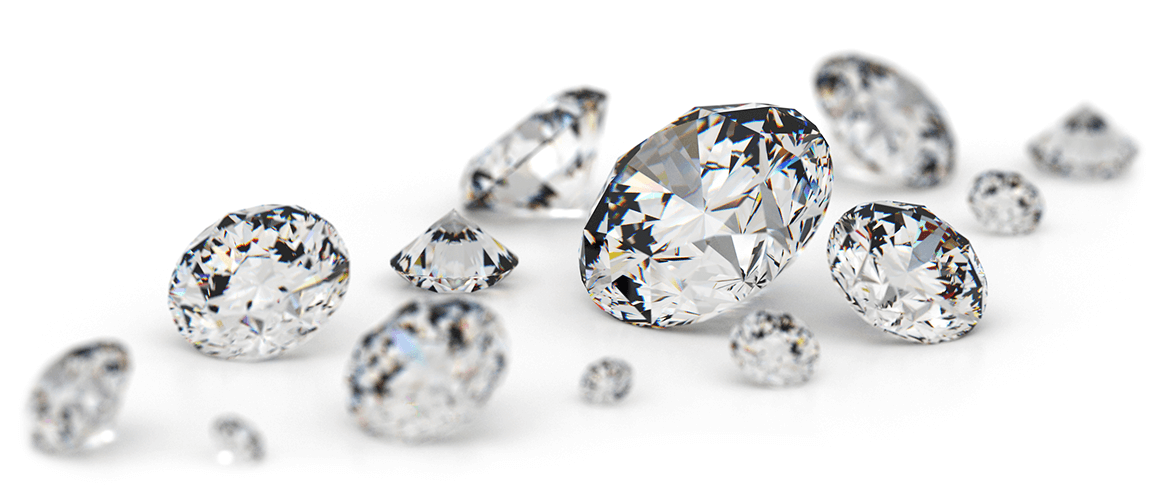
10.) Material: Diamond
Processing: Cutting
Structure: FCC
Properties: very thermally conductive
Applications: cutting/grinding tools, drill bits, heat sink for circuits
Ref:
https://en.wikipedia.org/wiki/Diamond