The Dancing Engineer
Monday, April 24, 2017
Materials In A Mechanical Pencil
A. Graphite
Graphite is a naturally occurring form of carbon that can also be used in batteries, brake linings, and in the steel-making process. Graphite is the most stable for of carbon and is therefore the basis of carbon's heat of formation value.
Reference: https://en.wikipedia.org/wiki/Graphite
B. Plastic
Plastic is a polymer which is low cost and easily manufactured which is why it saturates the market. They are used in textiles, food packaging, plumbing, and much more.
Reference: https://en.wikipedia.org/wiki/Plastic
C. Rubber
Rubber is a polymer with water and minor natural impurities. It is mainly harvested in latex form and exhibits waterproofing qualities. Rubber is also used in adhesive, tires, shock absorbers, conveyor belts, etc.
Reference: https://en.wikipedia.org/wiki/Natural_rubber
10 Interesting Materials and Their Properties
1.) Material: Titanium
Processing: Vacuum Arc Remelting
Structure: HCP
Properties: High strength/low density, resists corrosion
Applications: Gas turbines in airplanes, watches, car engines
Ref: https://www.britannica.com/technology/titanium-processing
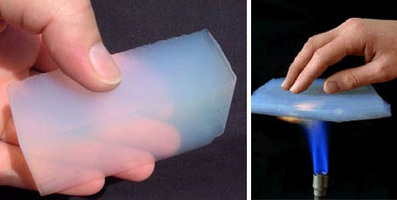
2.) Material: Aerogel
Processing: Supercritical Drying
Properties: 98.2% air, very effective insulator
Applications: Thermal insulation, optical devices, supercapacitors
Ref: http://www.aerogel.org/?p=4
https://en.wikipedia.org/wiki/Aerogel#Structure
3.) Material: Tin
Processing: Smelting
Structure: TETR
Properties: Melting point = 231.9 C
Applications: Tinplate, solder, pewter
Ref: https://www.britannica.com/technology/tin-processing
4.) Material: Lead
Processing: Sintering
Structure: FCC
Properties: Melting point = 327.5 C, harmful to humans
Applications: Batteries, plumbing, X-ray shields, etc.
Ref: http://www.madehow.com/Volume-2/Lead.html
5.) Material: Aluminum Oxynitride (Transparent Aluminum)
Processing: Isostatic Pressing
Structure: Cubic spinel
Properties: Compressive strength = 2.68 GPa
Applications: Bulletproof glass, armor, sensors
Ref: https://en.wikipedia.org/wiki/Aluminium_oxynitride
6.) Material: Buckminsterfullerene (Buckyballs)
Processing: Laser evaporaization
Structure: FCC
Properties: Superconducting at 18K, stronger than diamond
Applications: Drug delivery systems, catalysts
Ref: https://en.wikipedia.org/wiki/Buckminsterfullerene
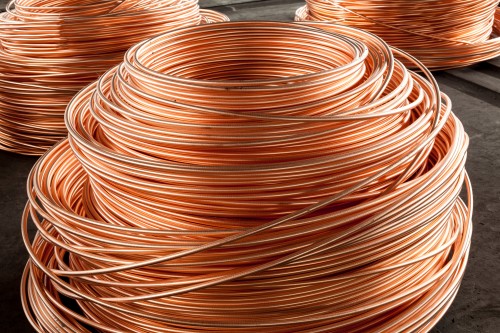
7.) Material: Copper
Processing: Smelting
Structure: FCC
Properties: very good electrical conductor
Applications: Electrical wire, sheets/plates, bronze
Ref: https://www.britannica.com/technology/copper-processing
8.) Material: Silver
Processing: Forging
Structure: FCC
Properties: Melting point = 961.8 C
Applications: Currency, jewelry, electrical conductors
Ref: https://en.wikipedia.org/wiki/Silver
9.) Material: Brass
Processing: Annealing
Properties: good heat and electrical conductivity
Applications: Jets, jewelry, nuts and bolts
Ref: https://www.thebalance.com/metal-profile-brass-2340129
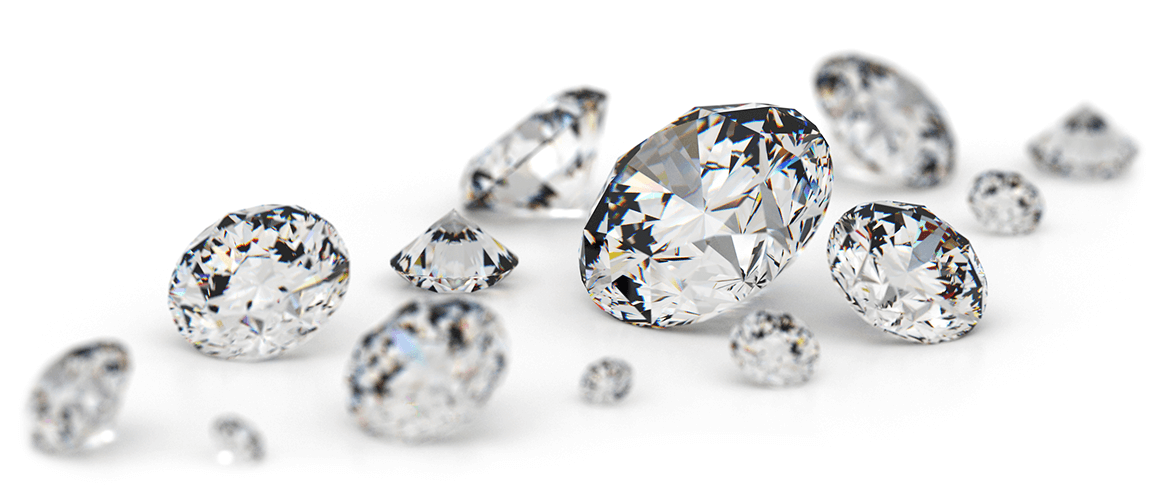
10.) Material: Diamond
Processing: Cutting
Structure: FCC
Properties: very thermally conductive
Applications: cutting/grinding tools, drill bits, heat sink for circuits
Ref: https://en.wikipedia.org/wiki/Diamond
Processing: Vacuum Arc Remelting
Structure: HCP
Properties: High strength/low density, resists corrosion
Applications: Gas turbines in airplanes, watches, car engines
Ref: https://www.britannica.com/technology/titanium-processing
2.) Material: Aerogel
Processing: Supercritical Drying
Properties: 98.2% air, very effective insulator
Applications: Thermal insulation, optical devices, supercapacitors
Ref: http://www.aerogel.org/?p=4
https://en.wikipedia.org/wiki/Aerogel#Structure
3.) Material: Tin
Processing: Smelting
Structure: TETR
Properties: Melting point = 231.9 C
Applications: Tinplate, solder, pewter
Ref: https://www.britannica.com/technology/tin-processing
4.) Material: Lead
Processing: Sintering
Structure: FCC
Properties: Melting point = 327.5 C, harmful to humans
Applications: Batteries, plumbing, X-ray shields, etc.
Ref: http://www.madehow.com/Volume-2/Lead.html
5.) Material: Aluminum Oxynitride (Transparent Aluminum)
Processing: Isostatic Pressing
Structure: Cubic spinel
Properties: Compressive strength = 2.68 GPa
Applications: Bulletproof glass, armor, sensors
Ref: https://en.wikipedia.org/wiki/Aluminium_oxynitride
6.) Material: Buckminsterfullerene (Buckyballs)
Processing: Laser evaporaization
Structure: FCC
Properties: Superconducting at 18K, stronger than diamond
Applications: Drug delivery systems, catalysts
Ref: https://en.wikipedia.org/wiki/Buckminsterfullerene
7.) Material: Copper
Processing: Smelting
Structure: FCC
Properties: very good electrical conductor
Applications: Electrical wire, sheets/plates, bronze
Ref: https://www.britannica.com/technology/copper-processing
8.) Material: Silver
Processing: Forging
Structure: FCC
Properties: Melting point = 961.8 C
Applications: Currency, jewelry, electrical conductors
Ref: https://en.wikipedia.org/wiki/Silver
9.) Material: Brass
Processing: Annealing
Properties: good heat and electrical conductivity
Applications: Jets, jewelry, nuts and bolts
Ref: https://www.thebalance.com/metal-profile-brass-2340129
10.) Material: Diamond
Processing: Cutting
Structure: FCC
Properties: very thermally conductive
Applications: cutting/grinding tools, drill bits, heat sink for circuits
Ref: https://en.wikipedia.org/wiki/Diamond
Subscribe to:
Posts (Atom)